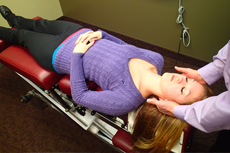
Spinal decompression therapy is a treatment approach that uses controlled traction to apply a gradual stretching force to the spine. It may be considered for certain spinal conditions involving discs, but its suitability depends on a person’s symptoms, health history, and clinical evaluation.
Spinal discs sit between the vertebrae and help distribute forces during everyday activities. For people in Richmond, VA, understanding how these structures respond to movement and loading can clarify what spinal decompression involves and why a healthcare provider may recommend further assessment before treatment.
What Are Spinal Discs, and How Do They Respond to Pressure?
Spinal discs are cushioning structures located between neighboring vertebrae. Each disc contains a gel-like center surrounded by a tougher outer layer. Together, they help the spine absorb loads, maintain spacing between vertebrae, and allow bending and turning.
During normal activities, the spine experiences changing forces. Sitting, standing, walking, bending, and lifting place different demands on spinal structures. These forces are part of normal movement and do not automatically indicate a problem.
How Does Spinal Decompression Therapy Work?
Spinal decompression therapy typically uses a motorized traction table to apply controlled pulling forces to the spine. Depending on the system and treatment approach, the force may increase and decrease in cycles while the patient remains positioned on the table.
The goal is to create a controlled change in spinal loading. This may influence pressure around spinal structures, although the effects can vary between individuals, and treatment does not guarantee that a disc will return to its original shape or that symptoms will resolve.
Before recommending treatment, a chiropractor or another qualified healthcare provider considers the patient’s symptoms, medical history, and examination findings. They also assess whether the person has a condition for which traction-based treatment may be appropriate.
How Can Disc-Related Pressure Affect Everyday Movement?
Disc-related conditions can affect movement in different ways. Some people experience localized back discomfort, while others may have symptoms that extend into an arm or leg if a nerve is irritated.
Activities such as bending, sitting, or lifting may aggravate symptoms for some individuals, but patterns vary. Not every person with a disc abnormality experiences pain, and not all back or neck discomfort originates from a disc.
When movement becomes uncomfortable, people may change how they sit, walk, bend, or complete work tasks. These adjustments can affect daily function and may make routine activities more difficult.
What Is the Role of Chiropractic Spinal Decompression?
Chiropractic spinal decompression refers to the use of controlled spinal traction within a chiropractic care setting. It may be discussed as one option for certain patients with disc-related symptoms, depending on their clinical findings and overall health.
The treatment approach should be based on an individual assessment rather than the assumption that all disc problems respond in the same way. Factors such as symptom severity, the presence of neurological changes, previous injuries, and other health conditions can influence whether traction is suitable.
People researching Spine decompression therapy Richmond, VA can learn more about the treatment process and the role controlled traction may play in spinal care.
Who May Be Considered for Spinal Decompression?
A provider may consider spinal decompression when a patient’s symptoms and examination suggest that traction could be appropriate. The decision depends on the suspected condition, medical history, and any factors that could make treatment unsuitable.
A consultation generally includes discussing the location and duration of symptoms, activities that aggravate discomfort, previous treatments, and relevant health conditions. The provider may also evaluate movement, strength, sensation, and reflexes when appropriate.
Spinal decompression is not suitable for everyone. Certain spinal injuries, instability, fractures, or other medical conditions may require different management. Patients should disclose their full health history and ask questions before beginning treatment.
What Should Patients Expect During Treatment?
A spinal decompression appointment typically begins with confirming the treatment plan and positioning the patient on a traction table. The device applies controlled forces according to the provider’s settings, and the patient remains in communication with the treating professional during the session.
Patients should report increased pain, unusual sensations, or other concerning changes during or after treatment. Regular reassessment helps determine whether the approach remains appropriate or whether the plan should be changed.
How Can Patients Make Informed Decisions About Disc-Related Care?
Understanding the difference between normal spinal loading and a clinically significant disc condition can help patients ask more focused questions about their symptoms. A disc abnormality on imaging does not always explain pain, and treatment decisions should consider the full clinical picture.
People exploring spinal decompression in Richmond, VA, should ask what condition the treatment is intended to address, what improvement may reasonably be expected, how progress will be evaluated, and what alternatives are available.
Explore Your Options for Spinal Care
Disc-related symptoms can have different causes, and spinal decompression is not appropriate for every patient. A professional evaluation can help clarify possible explanations for discomfort and determine whether traction-based treatment or another approach may be suitable.
If you are considering spinal decompression therapy in Richmond, VA, schedule a consultation with a qualified healthcare provider to discuss your symptoms, review your options, and make an informed decision about your care.