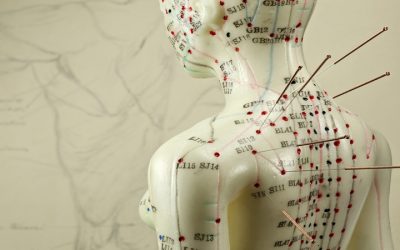
Anyone searching for reproductive health support in Fairfield County wants clarity on what actually happens during an evaluation and which treatment options exist beyond standard medical testing. A fertility clinic in Westport, CT typically pairs diagnostic groundwork with supportive therapies designed to address the body’s hormonal and nervous system responses during conception, pregnancy preparation, and early prenatal care.
Fertility support in this region has grown to include both conventional medical testing and complementary approaches that work alongside that testing. RUHE Fertility + Prenatal Acupuncture is one such practice, offering acupuncture-based care that patients often use in conjunction with fertility clinic diagnostics rather than as a standalone replacement for medical evaluation.
What Fertility Testing Usually Involves
Fertility testing identifies factors that may affect conception, including hormone levels, ovulation patterns, and reproductive anatomy. According to the national institute of child health and human development, infertility evaluation generally begins after twelve months of unprotected intercourse without pregnancy for women under 35, or six months for women over 35.
Standard testing often includes:
-
Hormone panels to assess ovarian reserve and thyroid function
-
Ovulation tracking through bloodwork or at-home monitoring
-
Imaging studies to evaluate uterine and tubal structure
-
Semen analysis when male-factor evaluation is indicated
These steps establish a baseline before a treatment plan is built. Patients then decide, often with their physician, whether to pursue medical intervention, lifestyle changes, or supportive therapies such as acupuncture.
How Acupuncture Fits Into a Fertility Treatment Plan
Acupuncture is not a substitute for medical fertility treatment, but many patients use it as an adjunct therapy during their conception journey. Practices focused on this approach typically target stress reduction, blood flow support, and hormonal regulation through targeted needle placement.
Common reasons patients add acupuncture to their care plan include:
-
Managing stress and anxiety tied to fertility treatment timelines
-
Supporting the body during IUI or IVF treatment cycles
-
Addressing irregular cycles alongside medical monitoring
-
Preparing the body for pregnancy and easing early prenatal symptoms
RUHE Fertility + Prenatal Acupuncture structures its offerings around these support goals, positioning acupuncture as a complement to the testing and treatment a patient receives from their reproductive endocrinologist or OB-GYN.
Comparing Support Approaches
Patients navigating fertility care often weigh different types of support against one another. The table below outlines how common approaches differ in focus and typical use.
|
Approach |
Primary Focus |
Typical Role in Care |
|
Medical fertility testing |
Diagnosing hormonal, structural, or genetic factors |
Foundation for any treatment plan |
|
Acupuncture support |
Stress reduction, cycle regulation, circulation |
Complementary, used alongside medical care |
|
Prenatal acupuncture |
Easing pregnancy symptoms, nervous system regulation |
Ongoing support after conception |
|
Lifestyle adjustments |
Diet, sleep, activity level |
Supportive, often recommended by both providers |
This comparison is not exhaustive, but it reflects how testing, acupuncture, and lifestyle changes typically function together rather than in competition with one another.
What to Expect When Choosing Local Support
Patients evaluating a fertility clinic or acupuncture practice in Westport should ask direct questions about how services are structured. Clarity upfront helps set realistic expectations for the weeks or months ahead.
Useful questions to ask include:
-
Does the practice coordinate with my existing OB-GYN or fertility doctor
-
What does a typical treatment timeline look like
-
Are prenatal support sessions available after conception
-
How is progress tracked across visits
Asking these questions early helps patients understand whether a given practice’s offerings align with their specific stage of the fertility journey, whether that is initial testing, active treatment, or early pregnancy support.
Frequently Asked Questions
Does acupuncture replace fertility testing or medical treatment? No. Acupuncture is generally used as a complementary therapy alongside medical testing and treatment, not as a replacement for diagnostic evaluation or prescribed fertility care.
When should someone start fertility testing? Guidelines from the National Institute of Child Health and Human Development suggest evaluation after twelve months of trying for women under 35, or six months for women over 35.
Can acupuncture be used during prenatal care, not just before conception? Yes. Many practices, including RUHE Fertility + Prenatal Acupuncture, offer prenatal acupuncture support intended for use after conception as well as during the conception process.
Is a consultation required before starting acupuncture support? Most practices begin with an initial consultation to review health history and determine whether acupuncture support fits a patient’s current treatment stage.
Fertility care rarely follows a single path, and most patients benefit from combining medical testing with supportive therapies suited to their stage of the journey. For those exploring acupuncture as part of that process, RUHE Fertility + Prenatal Acupuncture offers a starting point for understanding how these services can work alongside existing medical care in Westport.